
Pants Production
Custom Streetwear Pants Manufacturer for Brand Buyers
Build pants programs around fit, fabric weight, pocket structure, trims, logo placement, labels, and packing details before asking for a production quote.
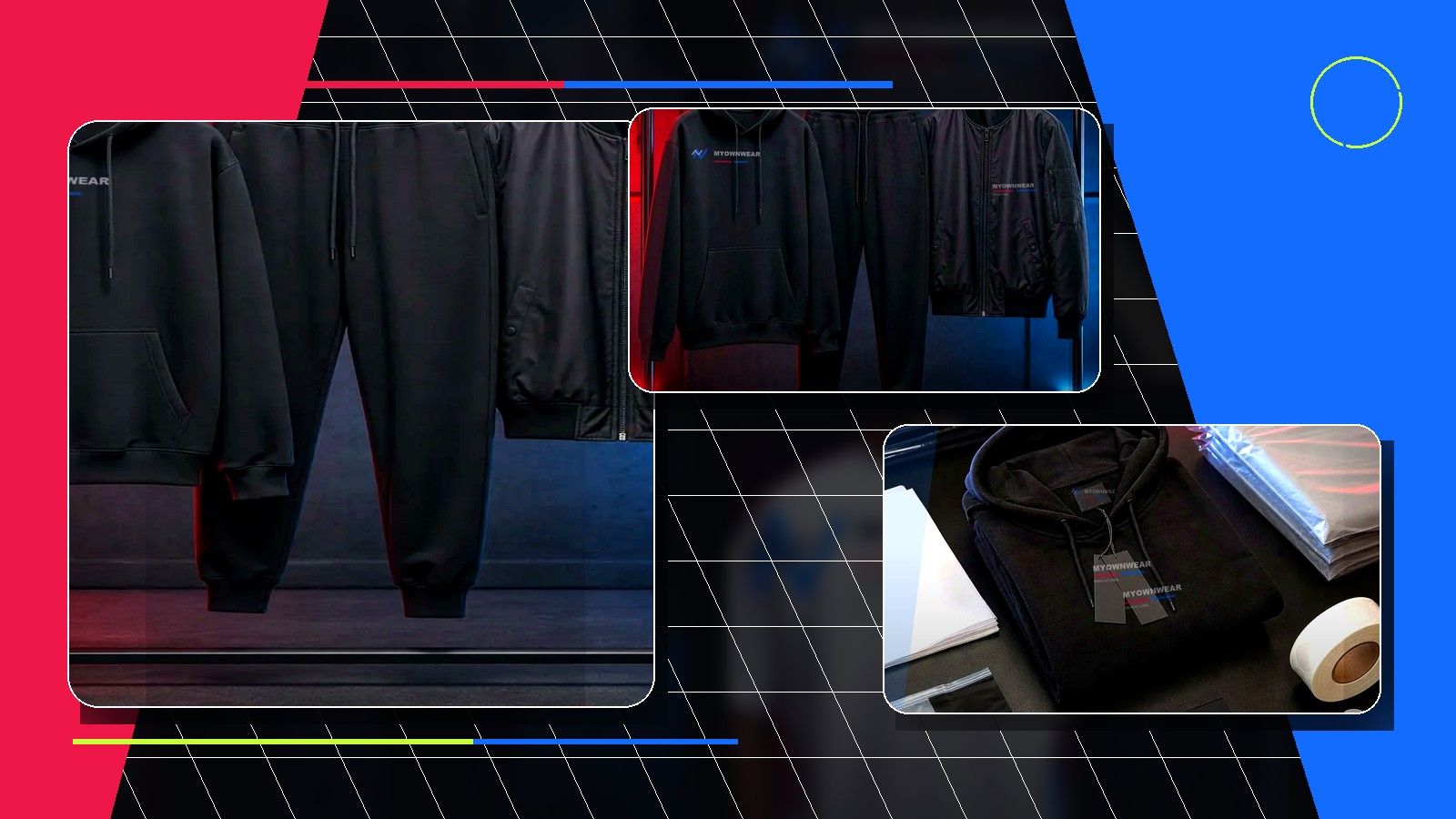
Joggers, sweatpants, cargo pants, wide-leg pants, shorts, and matching bottoms can be reviewed by reference style.
Small-batch pants projects can start from MOQ 10 when specs, artwork, and trims are clear.
Fleece, French terry, jersey, and woven fabrics change drape, cost, and decoration options.
Waist, inseam, pocket, drawcord, zipper, label, and packout details reduce quote back-and-forth.
Short Answers
Pants specifications to send first
MyOwnWear can review custom streetwear pants projects from MOQ 10 when style, quantity, size range, fabric, trims, and artwork are clear.
A pants RFQ should include waistband type, pocket structure, inseam, fabric or GSM, logo placement, labels, packing, and destination country.
Streetwear pants can be planned as standalone bottoms or as matching sets with hoodies, tees, jackets, and private label packaging.
Fit, function and construction control
A pants quote starts with the body in motion, not a flat front view.
Waist construction, rise, seat and thigh ease, inseam, leg shape, pockets, hardware and hem all change how streetwear pants fit and how they are produced. Define the intended silhouette and use first, then approve movement, components and finished measurements on the sample before bulk release.
Buyer guidance reviewed Sep 28, 2026
| Control layer | RFQ input | Sample must prove | Bulk lock |
|---|---|---|---|
| Silhouette and use | Jogger, sweatpant, cargo, wide-leg pant or short; intended styling; relaxed, straight, tapered or oversized direction; reference wearer and market. | Overall proportion from front, side and back; balance with footwear and top; comfort during the intended casual, active or layered use. | Approved pattern version, base-size measurement sheet, fit photographs or signed sample, grading rule and finished-state tolerance. |
| Waist and rise | Waistband construction, elastic width/recovery, drawcord, closure, belt loops, front/back rise and wearing position. | Hold without rolling or excessive pressure, drawcord function, closure security, seat comfort and waist appearance after the intended finish. | Elastic and drawcord references, attachment method, finished waist/rise measurements, hardware and inspection method. |
| Leg, inseam and hem | Thigh, knee, leg opening, inseam/outseam, taper or volume, cuff/hem type, stack or break and any ankle adjustment. | Stride, squat and seated ease; seam line; cuff recovery; hem position; left-right balance and the intended shoe relationship. | Approved leg pattern, finished length/width points, cuff or hem specification, tolerance and size-by-size grade increments. |
| Pockets and panels | Pocket count, type, opening, depth, bag material, flap, gusset, panel/seam map and intended phone, wallet or utility use. | Access, capacity, sag, symmetry, closure, reinforcement, print/embroidery clearance and appearance while worn rather than only laid flat. | Pocket template and position measurements, reinforcement/stitch reference, closure/hardware map and construction sample. |
| Fabric and finish | Fleece, French terry, jersey or woven direction; target GSM or handfeel; stretch, drape, color, wash, fade or distress route. | Opacity, recovery, movement, surface, shade, shrink or twist behavior and compatibility with pockets, seams, decoration and season. | Approved fabric or swatch reference, lot/color control, finish recipe or appearance range, and pre-wash/post-wash measurement state. |
| Trims and hardware | Zippers, snaps, toggles, eyelets, drawcord, cord ends, elastic, buttons, hook-and-loop, patch bases and requested finish/color. | Operation, pull strength, comfort, noise/weight, color relationship, wash compatibility and whether components distort the garment. | Component code, dimensions, finish/color standard, placement, attachment, substitute rule and quantity reconciliation. |
| Artwork, labels and packout | Final files, process, dimensions and placement; waist/care/size labels; hangtag; fold; bag/sticker; carton mark and assortment. | Artwork scale on the worn leg, seam/pocket clearance, label comfort/readability, fold around decoration and correct variable data. | Approved artwork/component index, stable placement origin, style-color-size mapping, packout reference and carton count check. |
Choose the construction route
Bottom type changes the pattern, component map and quote basis.
Fleece or terry jogger
Control recovery and bulk at the waist, knee and cuff.
Review fabric structure, elastic, drawcord, pocket bag, knee growth, cuff recovery, shrinkage and decoration handfeel together.
Woven cargo or utility pant
Treat every pocket and hardware item as a specified component.
Panel count, pocket depth, flap/gusset structure, zippers, snaps, reinforcement and wash route can change both sample work and unit cost.
Wide-leg pant or short
Lock volume, length and hem behavior against the intended styling.
Confirm rise, seat/thigh ease, opening, inseam, drape and whether decoration or pockets remain balanced across the requested sizes.
Dynamic sample review
Approve fit through movement and use.
A static front photograph can hide tension, pocket distortion, waistband movement and inseam problems. Record the test state and the wearer or form used for approval.
WalkCheck stride, crotch/inseam tension, leg rotation and whether pockets or panels pull.
SitReview rise, waistband pressure, back coverage, pocket access and hardware comfort.
SquatConfirm seat/thigh ease, seam security, recovery and the limits of the intended fabric.
CarryTest the stated pocket use for opening, depth, sag, closure and reinforcement.
StyleReview hem or cuff against the intended footwear and the matching top where relevant.
Placement and component map
Measure from stable pattern or seam points.
Waist: drawcord/eyelet position, label location, closure direction, belt loop map and top-edge reference.
Front leg: artwork distance from waistband, side seam, pocket opening, knee line and hem; finished width and height.
Side or cargo area: pocket/panel outline, flap or zipper, artwork clearance, reinforcement and left/right rule.
Back: pocket position/depth, yoke or seam reference, label/patch location and seated-use check.
Across sizes: state whether pockets, artwork and hardware positions stay fixed, grade, or use more than one approved standard.
Comparable quote control
Separate fixed requirements from open cost decisions.
FixedApproved silhouette, essential pockets, critical hardware, artwork, labels and non-negotiable finish.
TargetFabric/GSM or handfeel range, color direction, packing route and delivery objective that may need review.
OpenSupplier-reviewed material, trim or construction alternatives that preserve the approved look and function.
ExcludedState whether sample, development, labels, bags, freight, duties or other items are outside the quoted unit basis.
Compare quotes only after quantity is split by style, color and size and the same inclusions are visible. Pockets, panels, hardware, wash/finish, decoration, labels and packout can change the production route even when the total garment quantity is unchanged.
Quote-ready example
Replace the brackets with project data.
[Quantity and size ratio] [jogger/cargo/wide-leg/short] in [colors]; [base size] measurement sheet and fit reference attached; [fabric/GSM/handfeel] with [wash or finish]; waistband [construction], rise/inseam/leg opening stated; pocket and panel map attached; [zipper/snap/drawcord/elastic] references; [decoration] file at measured placement; labels and [bag/sticker/carton] route; sample required before bulk; destination [country]; target date and open alternatives listed.
Pants lead time planning
Fix the fit before you schedule the drop.
Pants timelines are shaped by pattern approval as much as by fabric availability. Waist, rise, inseam, pocket structure, trims, and decoration should be reviewed together before a bulk date is treated as realistic.
Confirm the pattern points
State waist construction, rise, inseam, hem or cuff, pocket layout, drawcord, zipper or snap needs, and the target fit. A reference photo alone cannot lock these points.
Approve fit and decoration
Review movement, waistband recovery, pocket position, artwork placement, embroidery, print, patch, and label position on the sample before closing revisions.
Release the bulk route
Provide final quantities by size and color, approved artwork, trim notes, labels, packout, destination, and target date. Mark must-have details separately from flexible options.
For a useful schedule review: send the launch date together with the size ratio, fabric/GSM, trim status, decoration method, and sample approval target.
Plan a pants RFQRFQ Preparation
Send a Quote-Ready Pants Brief
- Bottom type: joggers, sweatpants, cargo pants, shorts, or wide-leg pants.
- Quantity, size range, target fit, waist type, inseam, cuff or hem details.
- Fabric type, GSM or hand-feel target, colorways, pocket layout, trims, and zipper needs.
- Logo file, placement size, print, embroidery, patch, or label method.
- Neck or waist label, hangtag, polybag, size sticker, carton mark, country, and timeline.
FAQ
Streetwear pants buyer answers
What pants styles can be quoted?
MyOwnWear can review joggers, sweatpants, cargo pants, shorts, wide-leg pants, and matching bottoms when the buyer provides references and production details.
What details matter most for custom pants?
Fit, waistband, inseam, pockets, fabric or GSM, trims, logo placement, labels, packaging, quantity, and destination country all affect quote accuracy.
Can pants be produced as part of a streetwear set?
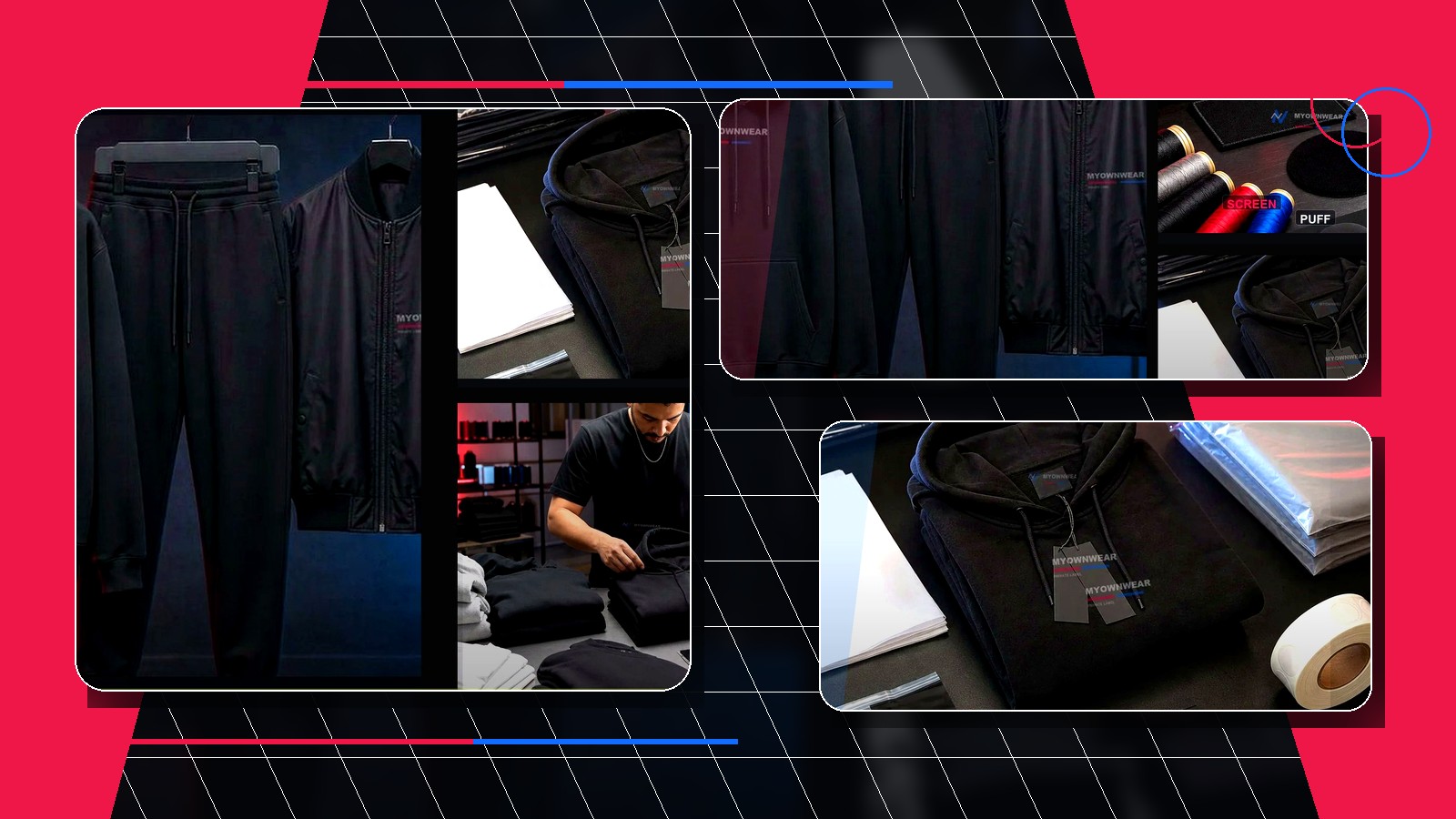
Yes. Pants can be planned as matching sets with hoodies, sweatshirts, oversized T-shirts, jackets, labels, and packaging.
Next Step
Send a pants brief for review
Send waistband and pocket structure, inseam, fabric/GSM, trims, logo placement, quantity, size range, labels, packing, destination, and timeline.