
First Drop Planning
Small Batch Streetwear Manufacturer for First Drops
Small-batch production works best when a brand keeps the first drop focused, confirms one clear spec route, and uses the first order to learn before repeat production.
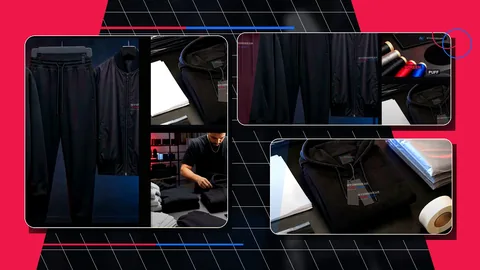
Low MOQ review helps new drops avoid over-ordering before market feedback.
Sampling can confirm fit, fabric, decoration, labels, and packing before bulk.
Keep approved specs organized so reorder quotes move faster.
Built for wholesale brand launches, not retail cart browsing.
First-drop operating plan
A small quantity still needs a complete production decision.
Low MOQ reduces inventory exposure, but it does not remove pattern, fabric, artwork, decoration, label, packing or approval work. A practical first drop keeps the assortment narrow enough for the buyer and factory to control, then saves the approved evidence needed for a faster repeat order.
Buyer guidance reviewed Sep 28, 2026
| Decision | What to send | What must be checked | What usually creates complexity |
|---|---|---|---|
| Range architecture | List the product types and identify the hero style. Keep the first launch separate from ideas for later drops. | Whether bodies can share fabric, rib, trims, colors or labels and whether every style has enough quantity to run sensibly. | Splitting a small total across many bodies, colorways and construction routes creates more setup than one focused style. |
| Color and size split | Give quantity by style, color and size—not only a collection total. Mark any priority sizes or colors. | Size grading, cutting ratio, color minimums, material consumption and whether the proposed split is feasible. | Every added color-size combination can affect cutting, sorting, labels, packing and reorder records. |
| Body and fabric | Provide the fit target, measurement chart or reference garment, composition, handfeel, GSM range, season and color direction. | Pattern route, fabric availability, shrinkage, recovery, structure, drape and compatibility with the chosen finish. | A new custom body, special dye or hard-to-source fabric needs more development than an approved repeat specification. |
| Decoration plan | Attach artwork, dimensions, placement, colors and preferred methods for every print, embroidery, applique or patch location. | Artwork readiness, setup route, fabric support, registration or placement tolerance, sample proof and wash behavior. | Several techniques, many locations, high stitch counts, layered effects and artwork revisions add separate approval work. |
| Labels and packout | List neck, care and size labels, hangtags, polybags, stickers, SKU rules and carton marks. | Artwork, dimensions, placement, minimums, packing ratio, carton data and which components must be approved before bulk. | Custom trims can have their own setup and readiness dates even when the garment quantity is small. |
| Approval and reorder record | Name the approver, sample goal, requested launch window, destination and intended reorder plan. | What approval releases bulk, which version is final and which records must be saved after delivery. | Untracked chat changes, mixed file versions and unclear approval ownership create avoidable rework. |
Control the first drop
Use a complexity budget, not only a unit budget.
Keep
The details customers will notice.
Protect the intended silhouette, fabric handfeel, main artwork, key label and presentation. These choices define the product and should be written into the sample review.
Limit
The combinations that multiply setup.
Reduce unnecessary bodies, colorways, decoration locations, custom trim variants and packout differences. A controlled first run produces clearer feedback.
Record
The approved baseline for the reorder.
Save the measurement chart, fabric and color reference, artwork version, craft placement, label files, packing rule and final quantity split together.
Quote logic
Why the same total quantity can produce different quote routes.
MOQ describes a starting quantity, not the complete manufacturing workload. The quote must be read against the exact assortment and approval path.
- 01Setup work
Pattern changes, size grading, screens, digitizing, wash tests, label proofs and packaging setup do not disappear because the bulk quantity is small.
- 02Material allocation
Fabric, rib, thread, zippers, labels and packaging may each have practical minimums or sourcing constraints that need review.
- 03Production splitting
Ten pieces in one controlled route is different from ten pieces split across multiple products, colors, crafts and packouts.
- 04Approval cycles
Every unresolved fit, fabric, artwork or trim decision can create another sample, proof or written confirmation before bulk release.
Sample-to-bulk release
Approve by evidence, not by “looks good.”
The sample record should say exactly what was checked and which revision becomes the bulk reference.
Key measurements, silhouette, grading assumptions, shrinkage response and any corrected pattern point.
Composition, GSM or construction, handfeel, color, rib or lining match and finish.
Artwork version, finished dimensions, placement, colors, stitch or print result and wash expectation.
Label text, dimensions and placement, hangtag, sticker, polybag and carton-mark files.
Written approval date, final quantity by size and color, open exceptions, destination and requested delivery window.
After the first drop
Turn the first order into usable reorder evidence.
Record sales by style, color and size; stock-outs; returns or fit feedback; quality issues; customer comments; and changes requested for the next run. Separate what should repeat from what should be revised, added or removed.
A useful reorder message says: repeat the approved black hoodie body; revise the sleeve artwork to version 3; increase sizes L and XL; remove the lowest-selling color; keep labels and packout unchanged; quote the new quantity and destination.
RFQ Preparation
Prepare A First-Drop RFQ
- Product type, first-drop quantity, size range, and target market.
- Reference fit, fabric or GSM target, colorways, and artwork files.
- Decoration method, logo placement, label and packaging requirements.
- Sample need, bulk launch date, shipping country, and repeat-order plan.
- Budget sensitivity, must-have details, and optional details that can be simplified.
FAQ
Small-batch buyer answers
What MOQ can a small streetwear brand start from?
MyOwnWear can review suitable small-batch streetwear projects from MOQ 10 when the product details, artwork, quantity, and packaging route are clear.
How many products should a first drop include?
A focused first drop usually works better than a broad range because the brand can control specs, cost, sample feedback, and repeat-order learning.
Can small batches include private label packaging?
Yes. Neck labels, hangtags, polybags, size stickers, SKU stickers, and carton marks can be reviewed with small-batch RFQs.
Next Step
Send a first-drop RFQ for review
Send product count, colorways, size ratio, sample or bulk goal, fabric/GSM, artwork, decoration, packout, destination, and launch window.